


Research
Research News
Research News
Total 85
-
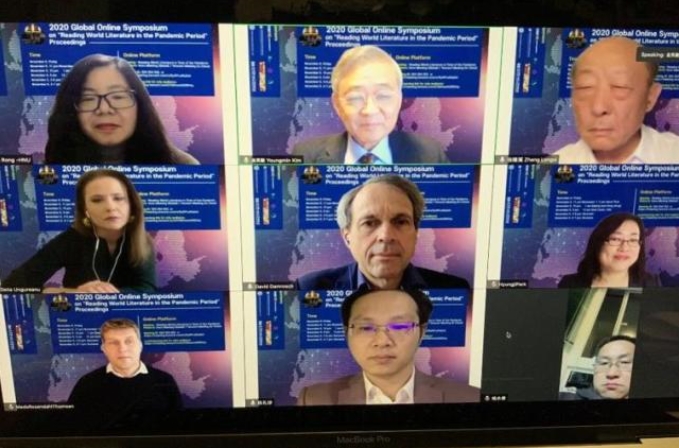
Hangzhou Normal University, Harvard University, Dongguk Universi...
Hangzhou Normal University, Harvard University, Dongguk University and other universities jointly organize the World Literature International Cloud ForumThe 2020 World is co-sponsored by the School of Foreign Languages, Hangzhou Normal University, the Institute of World Literature, Harvard University, Dongguk University, Korea National Research Foundation Global Research Network (NRF-GRN), and the Comparative Literature and Intercultural Research Society of the Chinese Society of Foreign Literature The Literary International Cloud Forum was successfully held on November 6-7, Beijing time.In the context of the global spread of the new crown epidemic, the theme of this forum is "Reading World Literature in the Era of the Epidemic", and the organizers will be held in collaboration through online venues. Professor Zhang Longxi, City University of Hong Kong, Chairman of the International Society for Comparative Literature, Professor David Damrosch, Director of the Institute of World Literature, Harvard University, Professor Ou Rong, Dean of the School of Foreign Languages, Hangzhou Normal University, Professor Thomson, Aarhus University, Denmark (Mads Thomsen), Deputy Director of the Institute of World Literature, Harvard University, Associate Professor Delia Ungureanu (Delia Ungureanu), University of Bucharest, Romania, Professor Chen Lizhen, Associate Dean of Hangzhou Normal University Research Institute, and Professor Youngmin Kim of Dongguk University and Jack Ma Chair Professor of Hangzhou Normal University. More than 300 experts and scholars at home and abroad, including Professor Youngmin Kim and Professor Hyungji Park of Yonsei University in South Korea, gathered in the cloud to exchange ideas and enlighten wisdom.Professor Kim Youngmin presided over the opening ceremony, and Professor Damrosh and Professor Ou Rong delivered opening speeches in turn. Professor Chen Lizhen presided over the first half of the forum.In the first half of the forum speech, Professor Damroche first expressed his views on the topic of "Reading in the Epidemic in Two Rooms". Professor Damroche pointed out that the new crown pneumonia epidemic has forced us to pay more attention to works describing the plague when reading, and try to get enlightenment from these works to deal with the current situation. Professor Damroche listed and analyzed works such as Boccaccio’s Decameron, Tagore’s “Home and the World”, Marquez’s “A Hundred Years of Solitude” and Saul Bellow’s “Rain King Henderson”, To point out the various issues that the writers are discussing behind the text of the work.Professor Wengulianu dialectically viewed the phenomenon of people being lonely due to the epidemic being forced to stay at home, and innovatively affirmed the "value of loneliness". From Marc Aurelius to Montaigne, from Woolf to the feminist Enola Holmes (Enola reversed as Alone), Professor Ungureanu tells the story of loneliness participating and interfering in world history repeatedly.Professor Park Hyungji was inspired by the Harvard University political philosopher Michael Sandel’s cloud debate on “When and How to Reopen America” in April 2020 and proposed “Ethics of the Epidemic and End-Time Literature”. Professor Park analyzed the "Ghost Ghostwriting" (1999) by British writer David Mitchell and the novel "Vegetarian" (2007) by Korean female writer Han Jiang, revealing the ethics and society related to the current epidemic period in the novel problem.Professor Kim Youngmin talked about the "Poetic Self in World Literature". Using the scale as a metaphor, Professor Jin tried to connect the scale of aesthetic distance with the lyrical word "I" in modern and contemporary poetry during the epidemic period. At the end of the first half of the forum was an active question and answer session. The opinions of teachers, students and scholars from all over the world and the four experts sparked a spark of thought. They actively put forward their own ideas and questions, and addressed their problems. The experts gave detailed answers one by one.The second half of the forum was hosted by Professor Damrosh. First, Professor Zhang Longxi gave a keynote speech on "Epidemic, Maintaining Social Distance, Literary Reading and Writing". Professor Zhang Longxi believes that the struggle between viruses and humans has always existed. The current COVID-19 epidemic has stimulated literary imagination and creativity just like the plagues of the past, just like Boccaccio’s Decameron and Daniel Defoe’s Plague Year Magazine and Poe’s "Mask of the Red Death" and other works about the plague were shown. Therefore, in this new crown pneumonia epidemic, literature has once again proved to be the best way to express our indomitable spirit in the face of global challenges, heroism in difficult times, our love for humanity and the nobility of human dignity. Professor Zhang also On the spot, he recites his own poem about the epidemic.Professor Thomson emphasized the human community in his speech entitled "Going Against: Nationalism and Universalism Growing in the Epidemic" and explored some historical uses of global issues in literature and how they play a special role in world literature .Finally, Professor Ou Rong discussed "Viral Poetics and Epidemic Poetry: Rethinking World Literature in an Epidemic Era". Professor Ou Rong made a rough review of Chinese and English poems in response to the new crown pneumonia epidemic around the world, and selected some poems for promotion and interpretation, and proposed to rethink world literature from the perspective of "viral poetics": just like the epidemic of the virus, ignore it The boundaries of race, skin color, language, and national borders should not set artificial barriers to the study of world literature. Any literary work, which is not only native literature, but also through the Internet and various translation tools, has also become undiscovered. World literature.The World Literature International Cloud Forum has aroused great repercussions in the international academic community. Many foreign media have carried out vigorous publicity reports, such as e-대학저널, Pinpoint News, Metro News, The Public, Veritas, 스마트경제, 브릿지 and other media releases related news. The forum is strongly affirmed by the international academic community, and the importance and significance of reading world literature during the epidemic is self-evident. The successful holding of this international academic exchange activity provides an important platform for communication between domestic academic circles and internationally renowned scholars, and opens up broad prospects for the development of comparative literature and cross-cultural studies.
2020.11.10. 3131 -
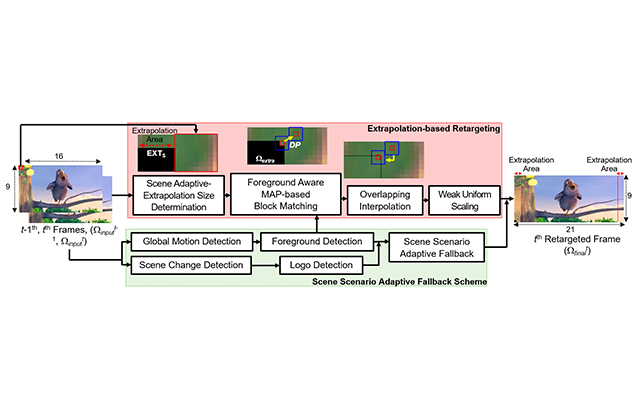
Research team of Professor Sung-in Cho at Dongguk University dev...
Research team of Professor Sung-in Cho at Dongguk University develops video aspect ratio adjustment technology using video extrapolation A research team led by Multimedia Engineering Professor Sung-in Cho at Dongguk University has developed innovative technology for adjusting the aspect ratio of video contents using video area expansion. The multimedia engineering technology was published in IEEE Transactions on Image Processing (Impact Factor: 9.340, top 3.947% JCR), the most prestigious journal in the field of image processing. The research led by Professor Cho significantly improved user satisfaction by expressing the aspect ratio of a video content display without distortion. It was necessary for the research team to ensure that the aspect ratio adjustment algorithm could be used in actual display products. They successfully verified their work, by proposing a method that creates a region that does not exist in the input image, and an algorithm that can block visual distortion that users can feel in advance. Summarizing his work, Professor Cho stated the following: "This research has developed a new approach that can express existing content without distortion in the recently diversified display aspect ratios”. He added that “Through an experiment, we verified that the algorithm proposed by displays with various aspect ratios shows overwhelmingly outstanding customer satisfaction to the existing aspect ratio adjustment technology”. This research was conducted in collaboration with Sogang University and was supported by Samsung Electronics, alongside the National Research Foundation of Korea.
2020.10.28. 2654 -
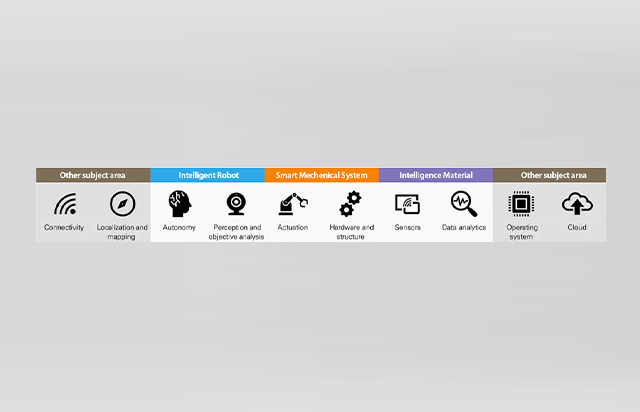
Dongguk University’s Department of Mechanical, Robotics, and Ene...
Dongguk University’s Department of Mechanical, Robotics, and Energy Engineering selected for the BK21 FOUR project Selected as the Autonomous Intelligent Machines and Systems team The Department of Mechanical, Robotics, and Energy Engineering at Dongguk University has been selected as the autonomous intelligent machines and systems (AIMS) team for the BK21 FOUR project, devised by the Ministry of Education. The BK21 FOUR project aims to reinforce and strengthen the educational and research capacity of prestigious graduate schools, further educating professionals holding masters’ and doctoral qualifications, to foster national competitiveness. BK21 FOUR is a 7-year-long project (September 1, 2020–August 31, 2027), with a total research fund of up to KRW 3 billion. The team is to be led by Prof. Heung-Soo Kim, with Professors Joong-Yeon Lim, Seung-Jun Lee, Soo-Chul Lim, Jae-Hun Lee, and Min-Woo Han from the Department of Mechanical, Robotic, and Energy Engineering comprising the remainder of the research team.The term ‘autonomous intelligent machine’ refers to an artificial intelligence-based machine that voluntarily recognizes the external environment under automated command systems, performing specific tasks based on autonomous decision-making criteria. Such machines could include robots, autonomous vehicles, and autonomous drones. AIMS is a field of integrated science that combines traditional mechanical engineering with artificial intelligence, a core part of the 4th industrial revolution. The AIMS education research team intends to educate world-class professional academics in the field of autonomous intelligent machines by designating intelligent robots, intelligent materials, and smart machine systems as core research fields. As a result of systematic education for graduates and active academics alike, the team intends to produce outstanding research results that lead the world's drive for AIMS.
2020.10.28. 2983 -
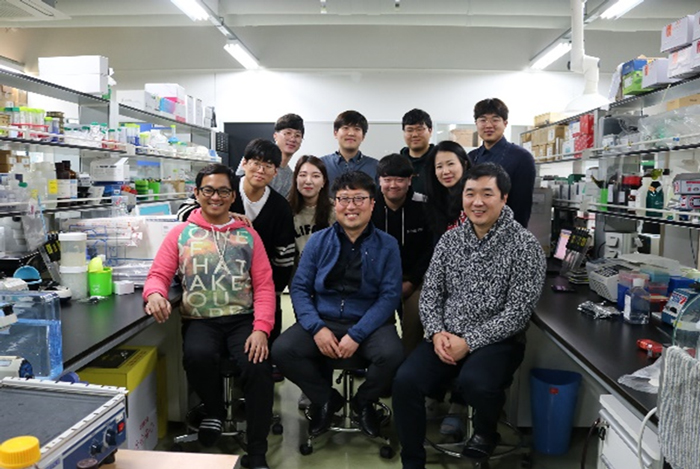
Professor Soo-Hong Lee of Dongguk University has successfully de...
Professor Soo-Hong Lee of Dongguk University has successfully developed a technique enabling the mass production of mesenchymal stem cells derived from pluripotent stem cells. Professor Lee’s article has been published in Advanced Science, a renowned scientific journal in the field of biotechnology.▲ Stem Cell Engineering Laboratory, Department of Medical Biotechnology, College of Life Science and Biotechnology, Group Photo with Professor Lee in the front centerThe Stem Cell Engineering Laboratory of the Department of Medical Biotechnology, College of Life Science and Biotechnology of Dongguk University, has successfully developed a technique for the efficient isolation and enrichment of mesenchymal stem cells with potent therapeutic effects from random differentiation-induced human embryonic stem cells by utilizing the interaction between integrin α5β1 and fibronectin (Sole Corresponding author, Soo-Hong Lee). Professor Lee’s research findings have been published in the renowned scientific journal Advanced Science (IF = 15.84, ranked upper 5% by Journal Citation Reports). Pluripotent stem cells can differentiate into any cell that makes up a living body and exhibit unlimited proliferation, enabling them to be a source for the mass production of mesenchymal stem cells, which exert favorable effects in tissue regeneration and cell therapy. However, a significant technical barrier that hindered this process was the separation of mesenchymal stem cells en masse from random differentiation-induced pluripotent stem cells. Professor Soo-Hong Lee’s research group has successfully developed an efficient separation technique for mesenchymal stem cells that exert favorable effects in tissue regeneration and cell therapy. This success is attributed to the utilization of the interaction between integrin α5β1 (a specific cell surface receptor on mesenchymal stem cells) and fibronectin (a biomaterial). In particular, the mesenchymal stem cells separated using fibronectin showed an anti-senescence effect and a higher cell proliferation rate than other mesenchymal stem cells derived from the bone marrow and adipose tissue. Professor Soo-Hong Lee stated, “The innovative technique developed by Stem Cell Engineering Laboratory at the Department of Medical Biotechnology, Dongguk University most certainly will become a source technology in the field of cell therapy products and regenerative medicine for the mass production of clinically proven mesenchymal stem cells and the enhancement of therapeutic effects.”Professor Lee’s research was jointly funded by Korea Disease Control and Prevention Agency for Construction of Korea National Hygiene and Medical Infrastructure and Korea Ministry of Information and ICT for Individual Basic R&D Program and Bio•Medical Technology Development Program.
2020.10.13. 2755 -
A research team at Dongguk University, led by Professor Lim Hyeo...
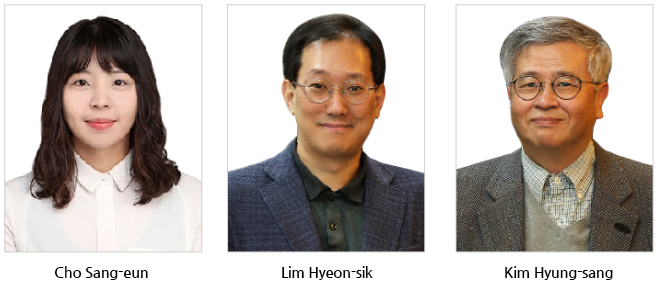
A research team at Dongguk University, led by Professor Lim Hyeon-sik, develops a new radiation scintillatorPublished in Light: Science & Applications, a sister journal of NatureA research team led by Professor Lim Hyeon-sik (director of the Research Department at Dongguk University) of Dongguk University's Department of Physical Semiconductor Science have published the latest results from their research on liquid-type X-ray imaging scintillators using a new mechanism, in "Light: Science & Applications” (Impact Factor: 15, JCR Top 1.5%), a world famous academic journal published by Nature-Springer. Cho Sang-eun (first author, obtained a Ph.D. from Dongguk University in August 2020 under the supervision of professor Lim Hyeon-sik) and Professors Lim Hyeon-sik and Kim Hyung-sang (corresponding authors) have successfully developed a scintillator technology that can replace existing commercially available materials with organic–inorganic hybrid materials.Recently, there has been a rapid increase in the necessity and demand for radiation and X-ray devices. Commercially available scintillator materials are in desperate need of independent, original, and domestic technologies, as they have domestic development limitations and high foreign dependence due to difficulties in manufacturing and processing.In response, the research team at Dongguk University devised a low-cost and high-efficiency radiation scintillator material. They proposed an X-ray emission mechanism based on a novel electron transfer method. It showed excellent results for replacing commercially available scintillators and can widely use low-energy (~keV, for examination) to high-energy (~MeV, for treatment) radiation.Professor Kim Hyung-sang said, “This technology not only shows high-efficiency characteristics of X-rays and radioactivity but also can be applied in various forms to measure curved images, which is difficult with existing scintillators. I hope that our results can contribute toward the domestic development of scintillators.”This study was conducted in collaboration with Asan Medical Center and supported by a funding program from the Korea Research Foundation and the Korea Radiation Promotion Association.
2020.09.15. 2615 -
A research team at Dongguk University, led by Professor Kim Gyo-...
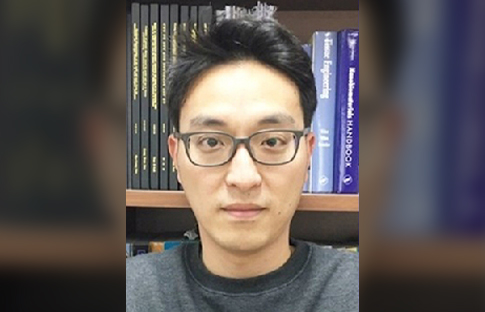
A research team at Dongguk University, led by Professor Kim Gyo-beom, de-velops tissue engineering platform technology for joint tissue regeneration Published in the Journal of Controlled Release, a world-class biotechnology journal A research team led by Professor Kim Gyo-beom of Dongguk University's Department of Chemical and Biological Engineering has developed the latest technology for joint tissue regeneration via simultaneous delivery of therapeutic growth factors and adi-pose derived stem cells into the body.The work was published in the Journal of Controlled Release (Impact Factor: 7.727, JCR Ranking Top 5%), an international journal in the field of biomaterials and biotechnolo-gy.The research led by Professor Kim increased the stability of a growth factor that in-duced cell activity in knee joint tissue by enclosing it within a polymer structure. Its effectiveness was demonstrated in a subsequent animal experiment in which the en-closed growth factor and stem cells were transplanted into damaged joint tissue in rabbits.Professor Kim said, “Results from this research show the technological value of the composite tissue engineering platform material developed in the Cellular Tissue Engi-neering and Functional Materials Laboratory of the Department of Chemical and Bio-medical Engineering, which combines an implantable hydrogel that was developed and a polymer-based drug delivery structure for the delivery of therapeutic growth fac-tors. We demonstrated that it can effectively induce regeneration in damaged joint tis-sues in knee osteoarthritis patients in preclinical experiments.”The research was conducted as an international joint research program between re-searchers from Cornell University (USA) and Seoul National University, and was sup-ported by funding from the National Research Foundation of Korea.
2020.09.15. 2277 -
Dongguk University Research Institute of Biotechnology & Medical...
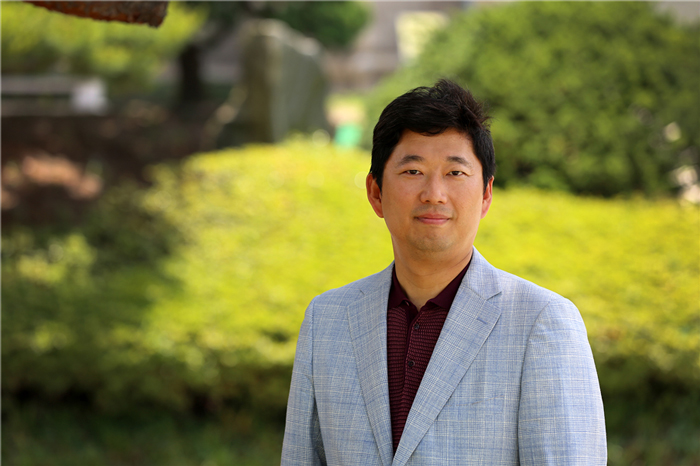
Dongguk University Research Institute of Biotechnology & Medical Converged Science appointed for a research service development project for the Ministry of Food and Drug Safety in 2020Interview with Shin Han-seung, Director of Dongguk University Biomedical Convergence Research InstituteDongguk University Research Institute of Biotechnology & Medical Converged Science has been appointed for the third research service development project for the Ministry of Food and Drug Safety (MFDS) in 2020. The MFDS has recruited research institutes to manage service research and development projects in four areas: safety management of food; safety management of medicines; safety management of medical devices; and safety assessment methodology. Dongguk University Research Institute of Biotechnology & Medical Converged Science will receive 4.6 billion Korean won from the Ministry and is planning to conduct research on safety management of food and others for the next three years. We met Professor Shin Han-seung, the director of the Biomedical Convergence Research Institute and chairman of the Korea International Life Science Association (ILSI Korea).▲ Professor Shin Han-seung, Director of Dongguk University Biomedical Convergence Research InstituteQ. Dongguk University Research Institute of Biotechnology & Medical Converged Science (Dongguk University Biomedi) has been appointed for a research service development project for the MFDS in 2020. Could you tell us about the project?A. Dongguk University Biomedi won two large-scale research projects worth 4.6 billion from the MFDS in the first 6 months of 2020. We will investigate the contamination levels of hazardous pollutants for each food, supported by a fund of 2.8 billion won for 2 years, and we will establish test methods for hazardous pollutants in food, supported by a fund of 1.8 billion won for 3 years. Through these projects, we plan to secure data on the contamination levels for each food, to identify exposure levels of harmful pollutants in HMR products in response to changes in food consumption trends, and to develop measures to manage the public exposure to these substances. We expect that this research will allow us to periodically reevaluate standards of hazardous pollutants in consideration of changes in both the climate and in our eating habits. In addition, we will establish testing methods for a preemptive response to harmful pollutants in foods, such as heavy metals and new fungal toxins, and conduct pollutant surveys and risk assessments for hazardous pollutant investigation.Q. These are large-scale projects in which 4.6 billion won as government subsidies is invested for 3 years from the MFDS. How do you think the money will help the research team specifically to conduct the research?A. The project is an extensive survey of pollution levels conducted at a national level, reflecting the trend of the times and environmental food consumption trend. We will use high quality research equipment provided by Dongguk University Biomedi. The purpose of these projects is to strengthen safety management and enhance public safety through an evaluation of total human body levels of hazardous pollutants, including seven heavy metals, 29 dioxins, seven polychlorinated biphenyls (PCBs), eight fungal toxins, four polycyclic aromatic hydrocarbons, and 3-monochloropropane-1,2-diol (3-MCPD), and by re-evaluating the appropriate exposure standards. To achieve this research goal, researchers in various fields will participate in this study at the biomedical campus of Dongguk University, funded by large-scale government research grants for 3 years. Based on the results from this research, we expect that various bio-convergence studies necessary for the prevention of chronic diseases and the promotion of health will be enabled by accurate evaluation of human exposure to hazardous substances and by obtaining basic research data necessary for updating relevant laws and regulations.Q. Recently, the eating habits of the Korean people have changed, given the increase in single-person households, with an emerging preference for convenience food. How do you expect this research will help our food culture?A. With the recent increase in single-person households, alongside the Covid-19 pandemic, these effects are not limited to the food consumption patterns of consumers in Korea, but are also widespread abroad. This research reflects the changing trends of food consumption at home and abroad, and is expected to contribute to the preparation of national policies for healthier eating habits by evaluating human exposure to harmful pollutants in popular food, such as convenience foods, of which consumption has increased rapidly, and by securing basic research data for the safety management of hazardous materials.Q. As interest in food increases, concerns about harmful pollutants in food have also increased. There seems to be a need for a different response other than the Food Sanitation Law. Is there a goal in this study in relation to this?A. Given the recent developments in the industry, the need for national management has emerged owing to the continuous emergence of new harmful substances, such as environmentally-derived pollutants and unintentional side-product pollutants generated during the food manufacturing process. Consequently, serious social issues and conflicts have occurred, and huge management costs are being generated. One of the main objectives of this research is to perform pollution surveys and risk assessments by establishing test methods to assess the preemptive response to harmful pollutants in food and to investigate the actual condition of harmful pollutants, to prepare basic data to help establish food safety management policies, such as setting and reviewing laws and standards for hazardous pollutants in food, and to suggest relevant policies.* The current food sanitation law suggests standards for food additives, but newly identified hazardous substances that are not included in the law require separate standards.Q. If there is anything you would like to say to people of Dongguk University, please do so.A. In 2019, Dongguk University Biomedical Convergence Research Institute established a new convergence research strategy as a new venture of the Institute to drive the specialization of the Biomedical Campus (BMC). In order to promote the convergence of research reflecting the latest trends in the fields of biotechnology, medicine, pharmacy, and oriental medicine, the center was reorganized into six sub-centers.From now on, the institute will perform large-scale convergence research projects for biotechnology, medicine, pharmacy, and oriental medicine; recruit excellent global research personnel; invest in advanced research equipment; commercialize our technology; and support R&D education for students at the Biomedi campus. Through these, we plan to accelerate the specialization of biotechnology.By winning these projects, Dongguk University’s Biomedi is now able to focus more on research and development in biotechnology, one of our university’s specialized fields. Convergence research in various fields will achieve research goals and contribute further to specialization. At present, given the increased interest in health and food safety, we hope that the research conducted by our university research team will help provide a new foundation for food safety management.Web reporter Park Hyun-jung (Department of Law)
2020.07.21. 2483 -
MOU Signed for Research Exchange and Cooperation between Dongguk...
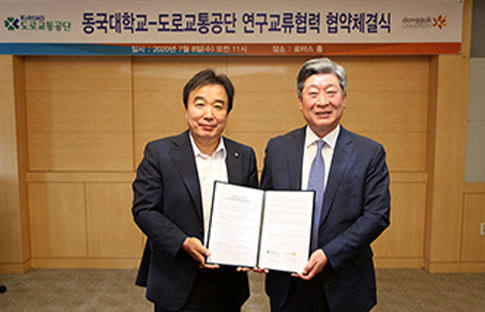
MOU Signed for Research Exchange and Cooperation between Dongguk University and Korea Road Traffic Authority Promoting Joint Venture in Response to Environmental Changes in Future Road Traffic Dongguk University (President Yoon Sung-yi) and Korea Road Traffic Authority (Chairman Yoon Jong-ki) signed an MOU for research exchange and cooperation at the Lotus Hall of Dongguk University on Wednesday, July 8th, 2020.Under this agreement, Dongguk University and Korea Road Traffic Authority plan to enhance their research capabilities and competitiveness by actively exchanging research data, and pursue multidisciplinary efforts, such as developing new technologies and improving systems in the transportation sector in this era of the fourth industrial revolution.In particular, the two agencies will actively promote joint research and development, academic events, and the exchange of research personnel to respond to changes in the future transportation environment, such as the development of new technologies, and the development and improvement of legislation in the autonomous vehicle and transportation “big data” sectors.Dongguk University is expected to cultivate excellence and talent needed for the society of the future, and Korea Road Traffic Authority is expected to accelerate infrastructure development and system improvement to prepare for the advent of autonomous driving environment through industrial and academic cooperation.At the ceremony, President Yoon of Dongguk University said, “This joint venture will be a good opportunity to secure new technology in the transportation sector in the era of the fourth industrial revolution through research and exchange cooperation with Korea Road Traffic Authority. It is expected to be of great help in the development of D.N.A (Big Data, Network, AI), which is a strategic specialization field at Dongguk University related to future technology developed for the fourth industrial revolution.”
2020.07.21. 2101 -
Convergence Software Institute of Dongguk University Selected fo...
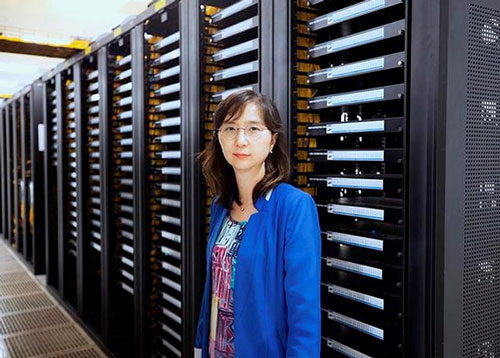
Convergence Software Institute of Dongguk University Selected for University ICT Research Center Support ProjectInterview with Professor Kim Ji-hui, Department of Artificial IntelligenceDongguk University has been selected for the project supported by the University ICT Research Center (ITRC). The ITRC support project, hosted by the Ministry of Science and ICT and implemented by the Institute for Information & communication Technology Planning & evaluation, is one of the representative projects in the field of information and communication technology (ICT). The aim of the project is to cultivate capable, creative, and convergent-thinking experts in the ICT field. These individuals are competent in problem-solving and R&D through their performance of demand-based industry–academic cooperation tasks. There are various branches like artificial intelligence (AI), digital content, quantum chain, and blockchain; accordingly, Dongguk University was selected for the branch of AI through the project Developing “High Performance Knowledge System” and Training Human Resources. By being selected for this project, the university will obtain a total of 6 billion won for the next eight years; subsequently, the amount will be dispersed at 400 million won for the first year and then 800 million won for every year afterward.Professor Kim Ji-hui of the Department of Artificial Intelligence at the Convergence Software Institute, Dongguk University will be in charge of the ITRC support project. Professor Kim received her doctoral degree in the field of AI from the University of Southern California in the United States. She has held various posts including Senior Vice President at the KT Institute of Future Technology and Vice President of the AI Lab at Samsung Electronics.Q. What is a “High Performance Knowledge System?”Simply put, it is a learning intelligence system with enhanced performance. Among the various areas of artificial intelligence, this system is relevant to the field of learning intelligence. In addition to deep learning and machine learning, there is also learning from inference.* There are many challenges to knowledge inference. While there have been numerous studies on solving static and simple problems, there is a lack of research on techniques for analyzing or modeling dynamic and complex situations. Furthermore, various researches are needed to apply AI in everyday life. In this regard, the study to implement the two aforementioned matters is the High Performance Knowledge System.* AI inference: This refers to AI that has the intellectual capacity to comprehensively assess diverse circumstances to predict upcoming situations. Rather than computing simple programmatic results, it is capable of logical analysis and reasoning by using raw materials.Q. What do you hope to achieve through this support project?Since I am also heading our university’s AI graduate program, the theme of the project is set on the field of “care.” The aim is to build an AI in the care field that can facilitate people’s lives and enhance their quality of life. For example, an AI that can detect anomalies in the daily patterns of an elder who has fallen or one that can provide health care like reminding people to workout at specific times. The direction that the project pursues is to ensure that these technologies can be applied appropriately in real life.Q. What are some of the difficulties you have faced during your research?Since the field of AI in itself is a difficult problem and is receiving much attention from society, we need the support of many others. We require the cooperation of numerous people because it is more than about technological issues, and comprehensively includes aspects of health, psychology, and culture. Various fields will be further involved as the research proceeds, making cooperation the most important yet the most difficult task.Q. What are your plans for training new talent?One of the focuses of the ITRC support project is to train new graduate school talents, and therefore, we are planning to cultivate new talent at our AI graduate program alongside it. The goal is to foster experts who not only have outstanding AI technology and research abilities, but also who are able to accurately perceive problems necessary in real life and solve problems demanded by either corporations or the government. In addition, since this project stresses creative activities, we aim to train individuals who can think about given problems, as well as their surrounding environment and various social issues in order to creatively come up with their own problems.Q. Do you have any last words for our readers?In addition to the students of Dongguk University, all employees and faculty members already grasp the importance of AI, which can only take its complete form when not only technology but also diverse fields of study like social, cultural, Buddhism, and art come together. As previously mentioned, the field of care also needs the cooperation of others in various fields. Therefore, I kindly ask for cooperation from others in order to create a win–win situation that can further enrich the education and research of Dongguk University.The current selection for the ITRC support project is meaningful in that it serves as a steppingstone to vitalize Dongguk University’s specialized area named DNA (Big Data Network AI). With the onset of the Fourth Industrial Revolution, the university looks forward to fostering specialized and talented individuals who will lead during this era by harmonizing AI and Buddhism.
2020.06.30. 2426 -
Multiple Large-Scale Government Grants Awarded
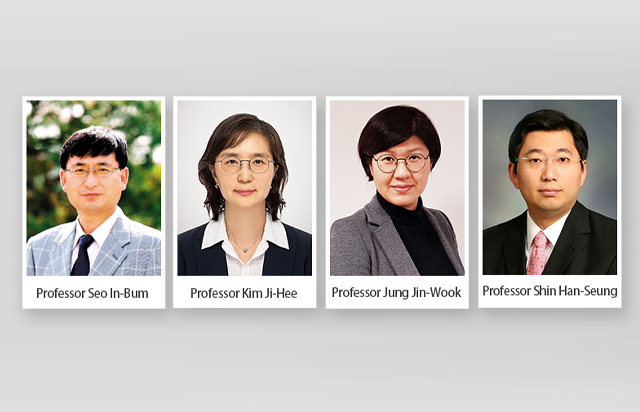
Multiple Large-Scale Government Grants Awarded Five Projects and 20.5 Billion Won (Approximately 17 Million USD) Awarded in the Past Month Multiple projects at Dongguk University (led by President Yoon Sung-Yee) have recently been selected for large-scale government grants.The Academy of Cultural Studies, led by Professor Seo In-Bum, has recently been selected for the Humanities Korea Plus project by the National Research Foundation of Korea and awarded a grant worth 8 billion won (approximately 6.5 million USD) over a seven-year period. Good news regarding grants for other projects includes ▲the second phase of the Beyond Research Innovation & Development for Good Enterprises Plus (BRIDGE+) project (the Ministry of Education), ▲ICT Grants Program for University Research Centers (the Ministry of Science and ICT/Institute for Information & Communication Technology Planning & Evaluation), ▲Business Development Funding for Sport Services (Ministry of Culture, Sports and Tourism), and ▲2020 Research Development Funding by the Ministry of Food and Drug Safety.The BRIDGE+ project aims to achieve the commercialization of intellectual assets, technology transfer, and capacity reinforcement of specialized organizations. Funding includes 3.9 billion won (roughly, 3.2 million USD) over a three-year period. The project is expected to strengthen the university’s capacity to collaborate with industries and businesses.Professor Kim Ji-Hee at the Institute of Future Confluence Education received an award from the ICT Grants Program for University Research Centers, which is designed to promote the development of high-performance knowledge systems and human capital. Accordingly, the university is receiving 4.4 billion won (approximately 3.6 million USD) in government funding over a six-year period, which will surely invigorate the university’s specialized fields (D.N.A).Professor Jung Jin-Wook in the Department of Sports and Cultures initiated the grant application for the Business Development Funding for Sport Services project by the Ministry of Culture, Sports and Tourism (Korea Sports Promotion Foundation). Funding of 2 billion won (1.6 million USD) over three years will be used to develop technology for therapeutic exercise that brings health benefits to children with developmental disorders.Finally, acquired by Professor Shin Han-Seung, the president of the Research Institute of Biotechnology & Medical Converged Science, 2020 Research Development Funding by the Ministry of Food and Drug Safety is a three-year grant of 1.8 billion won (approximately 1.5 million USD). The aim of the project is to secure testing methods that guide preemptive responses to hazardous pollutants in food (e.g., heavy metals, novel fungal toxins, natural toxins, highly hazardous chemicals, etc.), investigate pollutants using the Survey of Hazardous Pollutants, and implement risk assessments.Dongguk University has secured research funding of approximately 20.5 billion won (roughly, 17 million USD) in a short timeframe through multiple large-scale government grants. Such resources will significantly enhance the university’s capacity for both research and talent development. 사진설명: Professor Seo In-Bum Professor Kim Ji-Hee Professor Jung Jin-Wook Professor Shin Han-Seung
2020.06.02. 2187

- Seoul Campus
- 30, Pildong-ro 1-gil, Jung-gu, Seoul, 04620, Republic of Korea
- Tel. +82-2-2260-3314 Fax. +82-2-2260-2277
- incoming@dongguk.eduExchange Program
- scf@dongguk.eduInternational Students Services
- adm@dongguk.eduInternational admission
- cscenter@dongguk.eduCertificate Issuance, Education Verification
- kic@dongguk.eduKorean Language Course
Copyright(c) DONGGUK UNIVERSITY. ALL RIGHTS RESERVED.